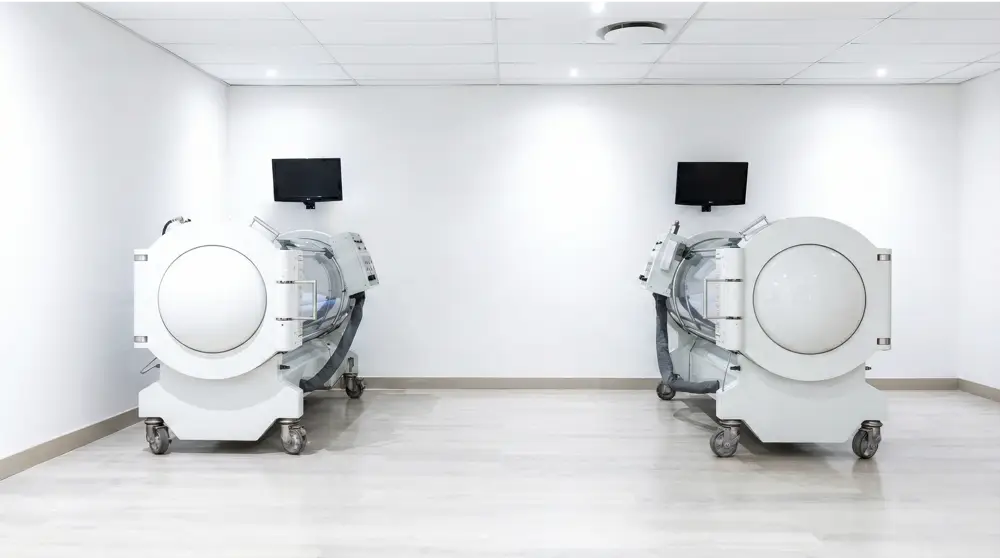
Welcome to the Vascular & Hyperbaric Unit at Life Eugene Marais Hospital.
Dr Gregory Weir is a registered and certified Vascular Surgeon. After completing his pre-graduate medical studies and specialising in General Surgery, he sub-specialised and completed the South African College of Medicine's exams in Vascular Surgery. His interest in treating patients with complex wounds, contributed to formal training in advanced wound care (International Interdisciplinary Wound Care Course, University of Stellenbosch) and formal training in hyperbaric medicine (Diving & Hyperbaric Medical Staff Training Course).
Treatment is done under the supervision of a Hyperbaric Physician and two Hyperbaric Technologists who are all appropriately trained and qualified in hyperbaric medicine. They are immediately available throughout the administration of hyperbaric oxygen therapy in a facility that is located inside a hospital and adjacent to fully equipped Trauma Unit.
Our Team
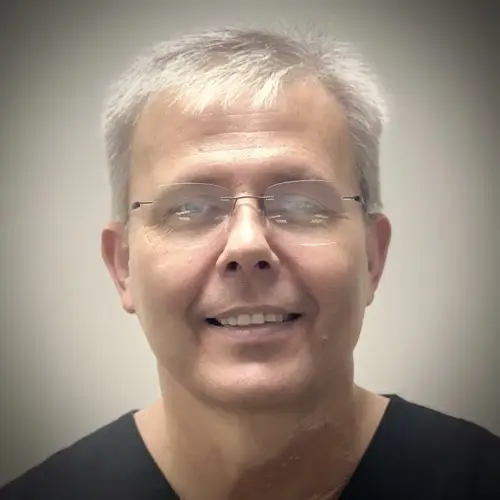
Dr Gregory Weir
Vascular Surgeon & Hyperbaric Physician
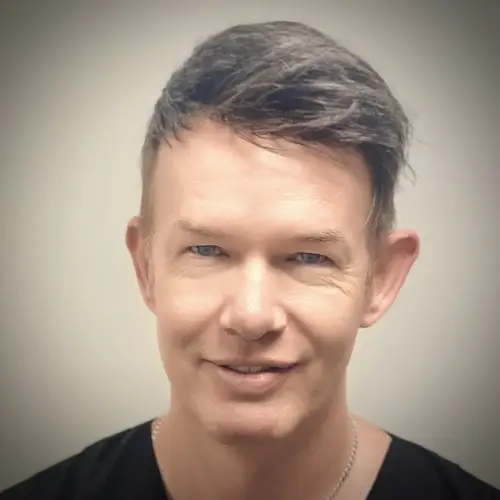
Stefan Dippenaar
Hyperbaric Technologist & Wound Care
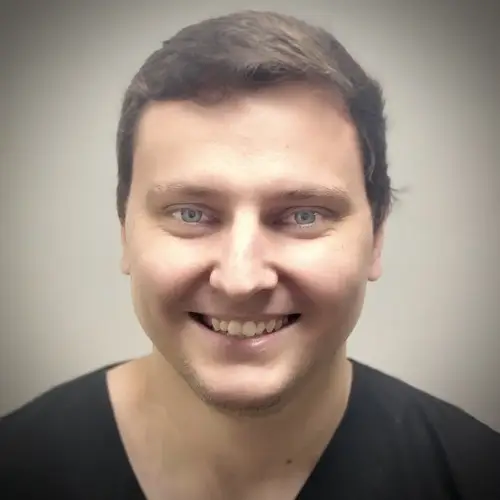
Branden de Jongh
Hyperbaric Technologist & Admin Manager
Services
The Vascular & Hyperbaric Unit at Life Eugene Marais Hospital provides a comprehensive range of services in the field of hyperbaric medicine, wound care, vascular surgery and vascular investigations.
The unit operates within a facility that meets national and international standards and guidelines.
The unit’s primary objective is to treat patients according to the highest ethical, scientific and safety standards, while maintaining their dignity in a welcoming and comfortable environment.
The following services are offered at the unit:
Hyperbaric Oxygen Therapy
Well-maintained hyperbaric equipment is used in a safe environment Strict adherence to national and international evidence based guidelines
Wound Care
The whole spectrum of advanced wound care can be done at our unit or in collaboration with your existing wound care team
→TcPO2
Transcutaneous oxygen measurement can be done to assess tissue oxygenation Diagnostic Therapeutic decision
→Vascular
Formal vascular assessment, vascular diagnosis and treatment of various vascular conditions
→Frequently Asked Questions
What is Hyperbaric Oxygen Therapy?
Hyperbaric Oxygen Therapy is a specialised medical treatment that utilises the healing properties of oxygen when inhaled under increased pressure.
Requirements:
100% oxygen
Increased atmospheric pressure
(2 to 3 ATA)
Specially designed pressure vessel
Qualified medical personnel
Accredited facility
Advantages:
Safe
Painless
Effective
Disadvantages:
Expensive
Potential side effects
How Does Hyperbaric Oxygen Therapy work?
Physiological effects:
15 times more oxygen dissolves in blood plasma while in the chamber
(hyperoxaemia)
Clinical results:
Accelerated cell metabolism
Increased healing of compromised tissue
Formation of new blood vessels (neovascularisation)
Reduced swelling
Decrease in size of bubbles in blood vessels
Improved immune response:
Increased ability of white blood cells to kill bacteria
Reduced inflammation
Who May Benefit from Hyperbaric Oxygen Therapy?
There are 15 internationally accepted medical conditions where Hyperbaric Oxygen Therapy may be life saving:
Arterial Gas Embolism
Decompression Sickness
Carbon Monoxide Poisoning
Clostridial Myositis and Myonecrosis (Gas gangrene)
Crush injuries, Compartment Syndrome and Other Traumatic Ischaemias
Enhancement of Healing in Selected Problem Wounds
Necrotising Soft Tissue Infections
Refractory Osteomyelitis
Delayed Radiation Injury
Compromised Skin Grafts & Flaps
Acute Thermal Burns
Severe Blood Loss Anaemia
Inoperable Brain
Abscesses
Central Retinal Artery Thrombosis
Idiopathic Sudden Sensorineural Hearing Loss
Avascular Necrosis
How can I get access to Hyperbaric Oxygen Therapy?
Before 1st Consultation:
Phone for an appointment
Obtain referral or motivation
letters
1st Consultation:
Medical history
Physical examination by Specialist
Discussion of appropriateness of treatment
Discussion regarding advantages of treatment
Discussion regarding potential side effects
Informed consent
Selective referral to ENT Specialist
After Consultation:
Motivation letters and collation of supportive documents
Authorisation requested from medical scheme
Authorisation confirmed
What does Hyperbaric Oxygen Therapy involve?
1st treatment:
Reassessment by Hyperbaric Physician
Direct, continuous supervision by
Hyperbaric Technologist
Inability to equalise ear pressure might require formal referral to an Ear, Nose and Throat Specialist
Daily treatments:
60 - 90 minutes per treatment
1 treatment per day
No treatments on weekends
Total treatments: 5 – 30
Treatment protocols are adapted to
individual patients according to their individual requirements
What should I expect during Hyperbaric Oxygen Therapy?
At the hyperbaric unit:
SAUHMA Accredited facility
Qualified personnel
Safe, relaxed environment
Environmental control
Well maintained equipment
Clean cotton clothing
Before treatment:
Clean cotton clothing
No electronic equipment
No metallic objects
Select movie / music
Inside the chamber:
Hissing sound of oxygen
Clean linen
Light pressure on ears
What you must do:
Correct ear pressure
Relax
Breathe normally
You are welcome to sleep
Heal
You may request termination of the treatment at any stage
Indications for Hyperbaric Oxygen Therapy
Here is a list of internationally accepted indications for hyperbaric oxygen therapy. Click on the image for more information on the treatment protocols. Click on the “details” tag below the image for a more elaborate description of the condition and the rationale for hyperbaric oxygen therapy
Side Effects of Hyperbaric Oxygen Therapy
Read about possible side effects →
The purpose of this web site is to offer Dr Weir’s patients and their families access to information regarding hyperbaric oxygen therapy, wound care and vascular disease in general as well as specific information on certain disease processes. The information on this site does not necessarily apply to all patients with the same diagnosis. If you are not a patient of Dr Weir, please do not regard the information on this website as a substitute for a thorough assessment by a qualified Vascular Surgeon. If in doubt, consult your doctor.
This practice does not condone “mild hyperbaric oxygen". It is a gimmick used by con artists to deprive you of your money, without any clinical effect. For more info learn more about mild hyperbaric oxygen therapy.
This practice strongly advises against ozone generators and ozone gas. Ozone is toxic and can cause permanent lung damage.
Contact Us
Feel free to get in contact with us and we will respond back to you ASAP. If you require an instant response, please give us a call.
Phone 0123358651
Cell Phone 0615204140
eMail: [email protected]
Address: 696 5th Avenue, Les Marais, Pretoria
Business Hours
- Monday - Friday 8:00-16:00
- Saturday - Closed
- Sunday - Closed